
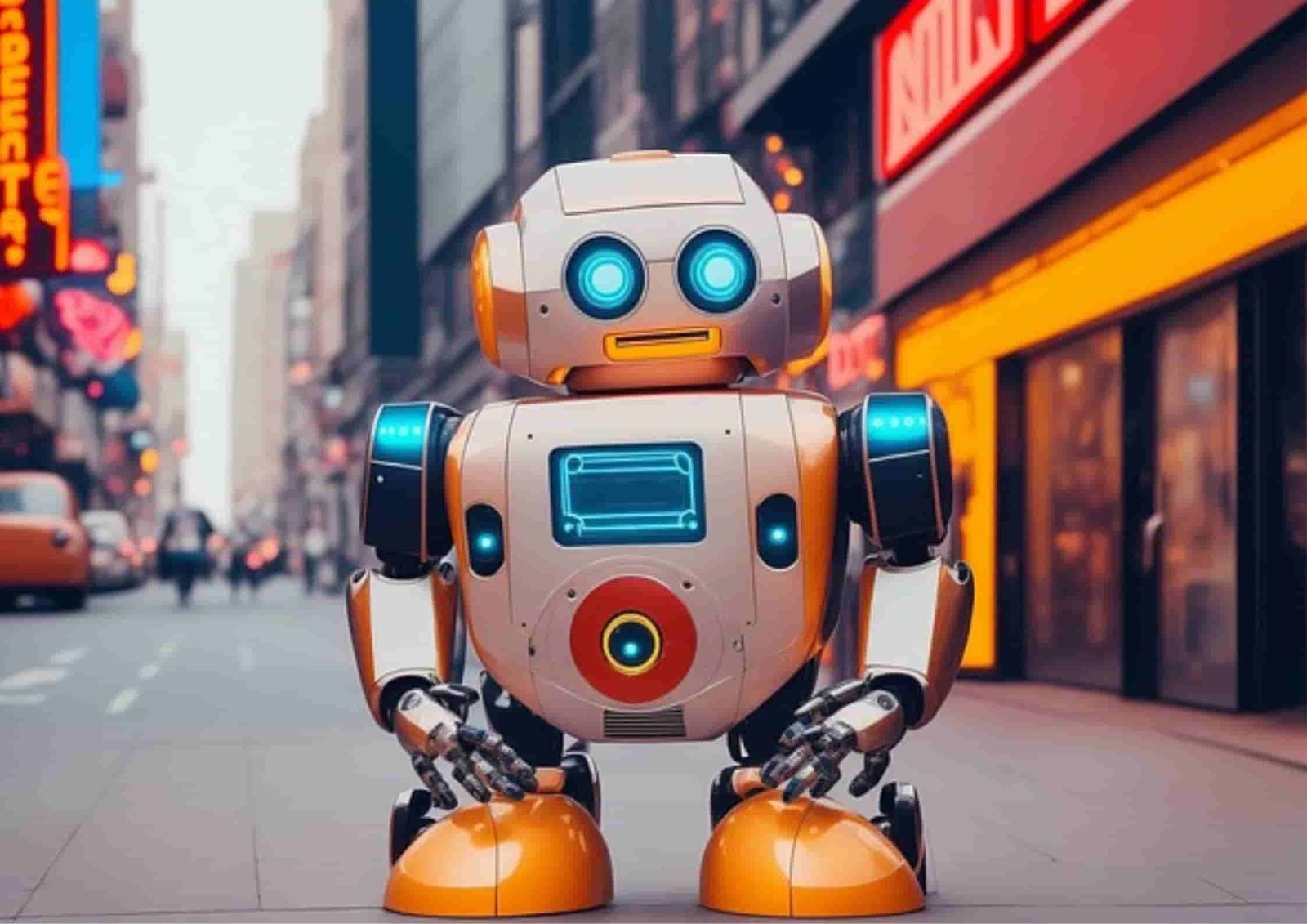
AI makes computers, robots, and software smart enough to perform tasks that usually need human thinking. These tasks include;
- Organising data
- Analyzing data
- Solving problems
- Making decisions
- Performing repetitive tasks, which saves time and effort
Over the years, AI has been used in almost every major field, including academics, business, healthcare, travel, and daily life.
Examples
- Quizlet, Duolingo( AI tutor)
- IBM Watson (Health care)
- Google Maps, Siri (Daily life)
To understand this field, it’s essential to be familiar with the main types of AI and their distinct behaviors. This will help students choose the right learning path and will allow tech users to understand how AI systems work and solve specific problems.
In this article, we will explore the 5 main types of AI, their applications, benefits, and limitations. By the end, you will have a clear idea of how AI works and what each type can do.
5 Main Types OF AI
- Reactive Machines AI
- Limited Memory AI
- Theory Of Mind
- Self-Aware AI
- Artificial General Intelligence (AGI)
Comparison Table: Five Main Types of AI
| AI Type | Current Use | Learning Ability |
| Reactive Machines | Yes | No |
| Limited Memory | Yes | Yes |
| Theory of Mind | Limited | Partial (Under Study) |
| Self-Aware | No | Yes (expected |
| AGI | Limited Prototypes | Yes |
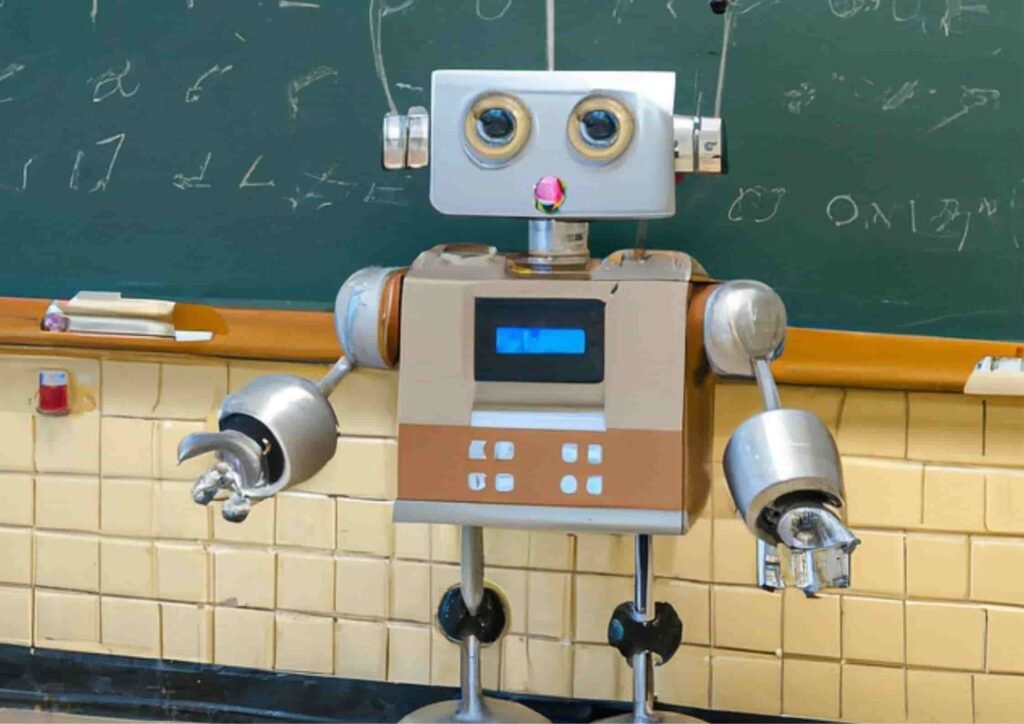
1. Reactive Machines AI
The concept of reactive machines was started in the 1950s. One of the most common examples is IBM Deep Blue, which defeated Kasparov in 1997.
Reactive Machines AI works without memory. It reacts only to the current input. It does not store past data and does not learn from experience. It only follows a fixed set of rules programmed by developers.
Programming Languages Used in Reactive Machines
- C / C++ (commonly used in robots and game engines)
- Python (simple robots and automation)
- Java
- Assembly (for very low-level hardware robots)
Applications
- Game engines
- Enemy NPCs (Non-Player Characters) that chase the player when they come close.
- Simple robots
- Vacuum robots that change direction when they hit an obstacle.
- Line-following robots that move only by sensing the black line.
- Automated responses
- Auto-reply emails that send “I’m unavailable” instantly when triggered.
- Basic quality control systems
- Cameras that check broken tablets in medicine factories.
- Sensors that check bottle fill-levels in cold drink plants
Benefits
- Predictable output
- Fast response
- Low resource use
- They do not store memory, so no extra storage is needed.
- They don’t learn, so no training data or heavy processing is required.
- They make instant decisions, reducing CPU usage.
- Their algorithms are simple, so they run on low-power devices.
Drawbacks
- No memory.
- Cannot learn.
- Limited tasks.
- Cannot adapt.
- No context understanding.
- Predictable behavior.
- Not for complex tasks.
2. Limited Memory AI
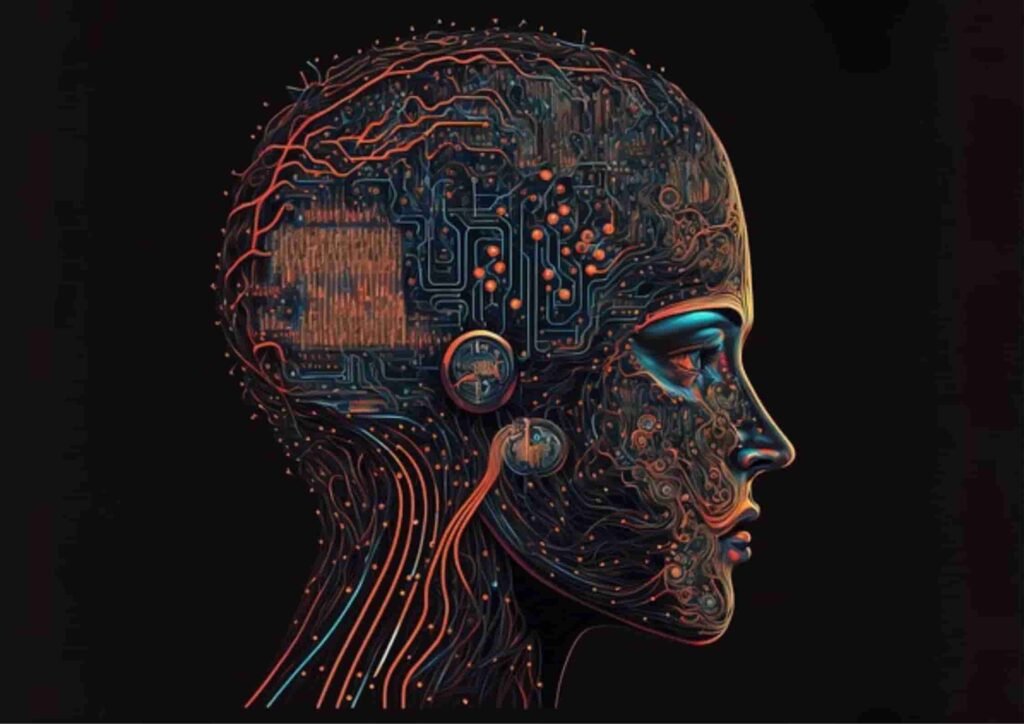
Developed between 1980 and 2010, Limited Memory AI grew with the rise of machine learning and neural networks.
Limited Memory AI learns from past data stored for short periods. Most modern systems use this type of AI. It analyzes patterns and provides improved results.
What Programming Languages Does Limited Memory AI Use?
Limited Memory AI uses languages that support machine learning:
- Python – most widely used
- C++ – for high-performance applications
- Java
- R
- MATLAB
Programmers also use ready-made software tools (ML and deep learning libraries) to handle memory, learning, and prediction tasks efficiently:
- TensorFlow– used for neural networks and deep learning
- PyTorch– a flexible tool for machine learning and AI research
- Scikit-learn– used for simpler ML algorithms like decision trees and SVMs
- Keras– a high-level library for building deep learning models
Applications
- Self-driving cars
- Spam detection systems
- Recommendation systems (YouTube, Netflix, Amazon)
- Image recognition
- Fraud detection in banks
- Weather forecasting
- Stock market prediction
- Hence, any system that uses machine learning models is using Limited Memory AI.
Benefits
- Better accuracy over time
- Can adjust to new data
- Useful for daily applications
- Drawbacks
- Needs large amounts of data
- Requires training time
- Errors occur when the data is incorrect
3. Theory of Mind AI
Theory of Mind AI is an advanced type of AI that can understand emotions, beliefs, intentions, and thoughts of humans.
Theory of Mind AI is still under research. It responds in a way that matches human behavior.
- The concept started in the early 2000s.
- Practical experiments and prototypes have been developed since 2010.
- Full-scale implementation is not yet available.
What Programming Languages Are Used In Theory Of Mind?
- Python – for AI research and simulations
- C++ / Java – for robotics and real-time systems
- R / MATLAB – for experiments in cognitive AI
Researchers use ML and Neural Networks libraries,
- Tensor Flow
- Pay Torch
- Keras
Applications
- Human–robot interaction (robots that understand human emotions)
- Advanced virtual assistants.
- Mental health AI tools (detecting mood or stress)
- Customer service AI that adapts responses based on human emotions.
- Social robots in care for the elderly or children.
Benefits
- Can understand human feelings.
- Results in better machine-human interaction
- Makes AI more human-like and interactive
- Results in more natural responses.
- Better decision-making in social environments
- Reduces the chance of error
Drawbacks
- Very complex and expensive to build
- High computing power required
- Still experimental, not widely available
- Ethical concerns: privacy, manipulation, and emotional misuse
4. Self-Aware AI
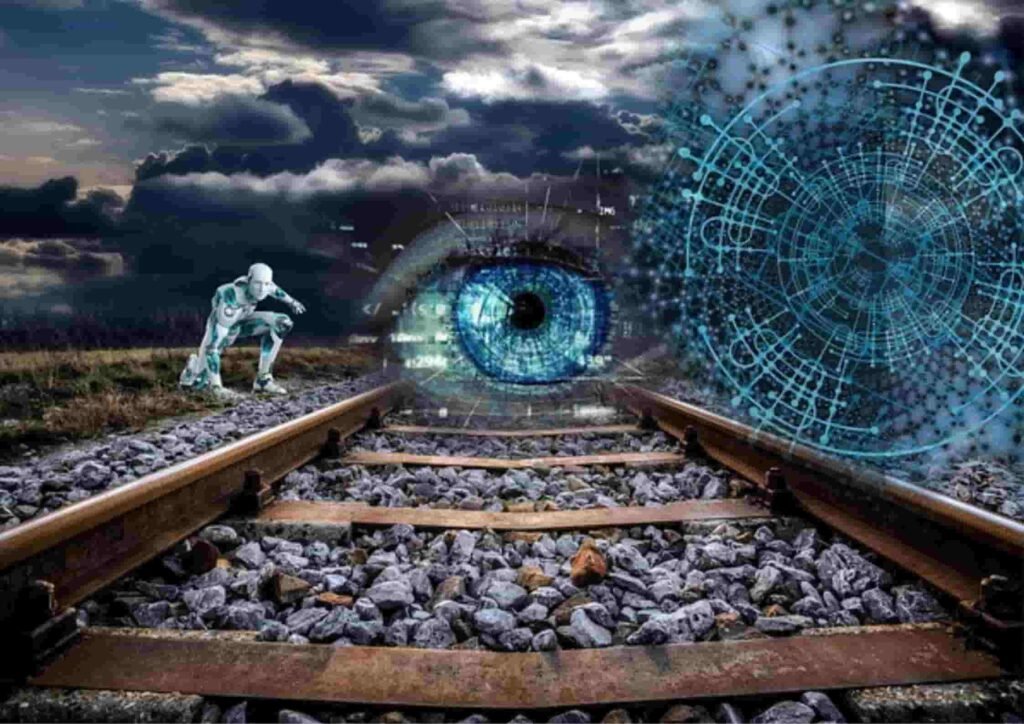
Self-Aware AI exists only as a theory. It is expected to have self-understanding, awareness, and independent decision-making. No system today has this type.
Programming Language Used In Self-Aware AI
If it is developed in the future, it would likely use advanced versions of:
- Python and C++
- Frameworks like TensorFlow, PyTorch
- Cognitive models
- Cognitive models are simplified representations of how the human mind works.
- Simplified Representations, as the human mind is complex. Simplified representation takes that complexity and turns it into a basic set of rules that computers can handle.
- Example
- Human thinking → emotions, experiences, biology
- Model → input → processing → output
When it was thought
- The idea started in the 1950s
- Influenced by Alan Turing
- Gained attention after the 1990s
- Linked with philosophy and neuroscience
Prototypes
- No real self-aware AI
- Only experimental research models
- Some systems can monitor their performance
- These are not conscious
Applications
- Advanced robotics
- Space exploration
- Scientific research
- High-level decision making
Benefits
- Better understanding of its actions
- Faster learning ability
- Improved safety with humans
- More adaptive behavior
Drawbacks
- Serious ethical concerns
- Hard to control
- Risk of misuse
- Legal and moral issues
5. Artificial General Intelligence (AGI)
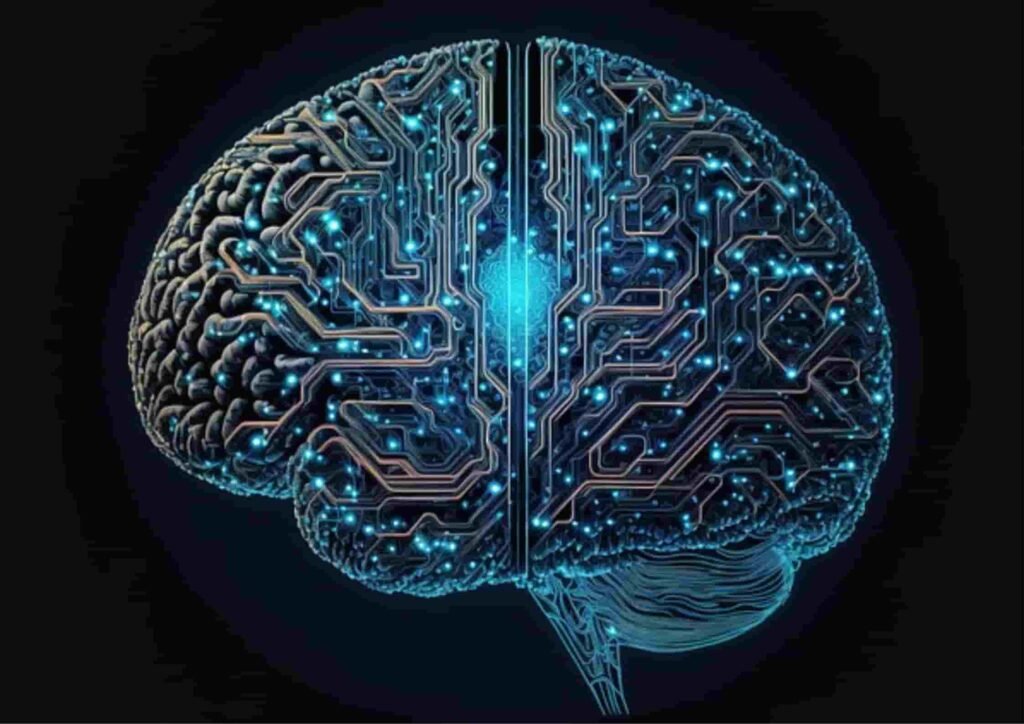
AGI creates machines that can think and learn like humans. AGI can solve new problems without training for each task. Research grows every year, but no such system is fully active yet.
When it was thought
- The idea started in the 1950s, during early AI research
- It became popular after 2000
AGI is no longer thought of as an idea. But it is a top priority in AI research, so more attention, funding, and effort are being given to it than before.
Programming Languages used in AGI
- No fixed language
- Mostly Python and C++ (research level)
- Uses deep learning frameworks
- May need new architectures in the future
Prototypes
- No true AGI exists
- Large language models show weak general abilities
- Current systems are still narrow AI
- Research is ongoing
Applications
If developed, it can work in fields like:
- Scientific discovery and research
- Healthcare and education
- Robotics and automation
Benefits
- Can adapt to new problems
- Learns like a human
- Not limited to one task, hence reduces the need for task-specific systems
- High efficiency and flexibility
Drawbacks
- Extremely hard to build
- Safety and control issues
- Ethical and social risks
- Job displacement concerns
You may find this article valuable: What Is Fireworks AI? Pricing, Features, Use Cases, and A Quick Comparison (With And Without)
Bottom Line
AI has brought revolution in our everyday lives and continues to grow. To understand this field, you need a clear understanding of the main types of AI and how each type works.
- Reactive Machines AI handles simple tasks.
- Limited MemoryAI powers most tools used today.
- Theory of Mind AI and Self-Aware AI are part of future research.
- AGI aims to achieve human-level intelligence, which is the foremost goal of today’s AI innovation.
This knowledge helps students and tech learners understand how systems work, what programming language they use, how they affect society, and how to prepare for future opportunities. Day by day, our AI is improving, and these five types form the core of all progress.